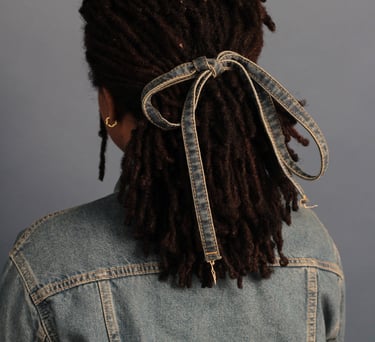
Lyandrea
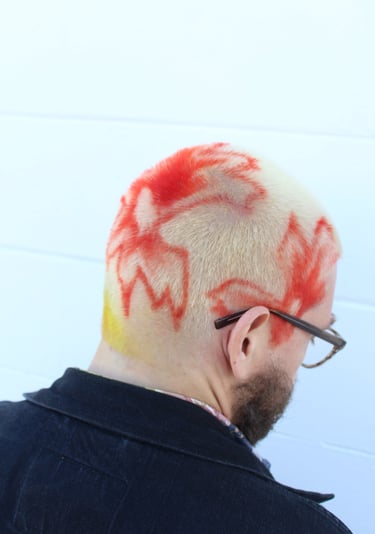
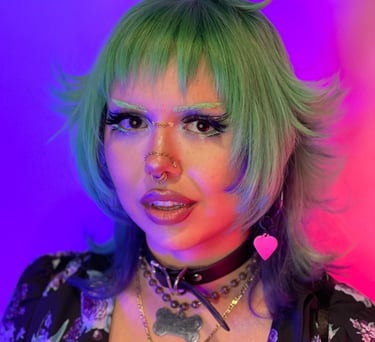
Hair artist here at Local Honey
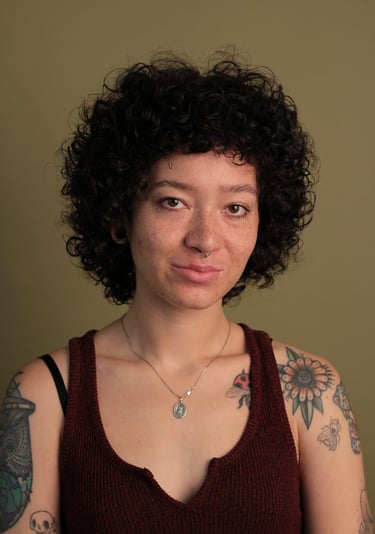
Bori
Studio Artist
Photographer
Tattooist
DJ
Fashion Designer
Spiritualist
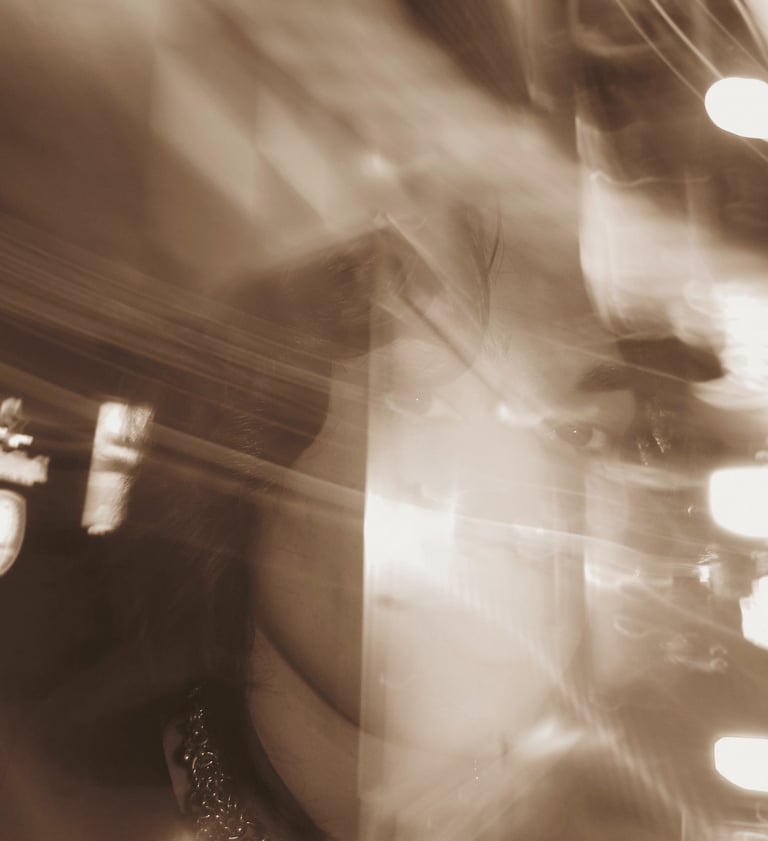
How to build your Artistic Eye
Immerse in art.
-watch film
-trace/draw
-analyze art
-analyze the details of your atmosphere
-visit art exhibitions
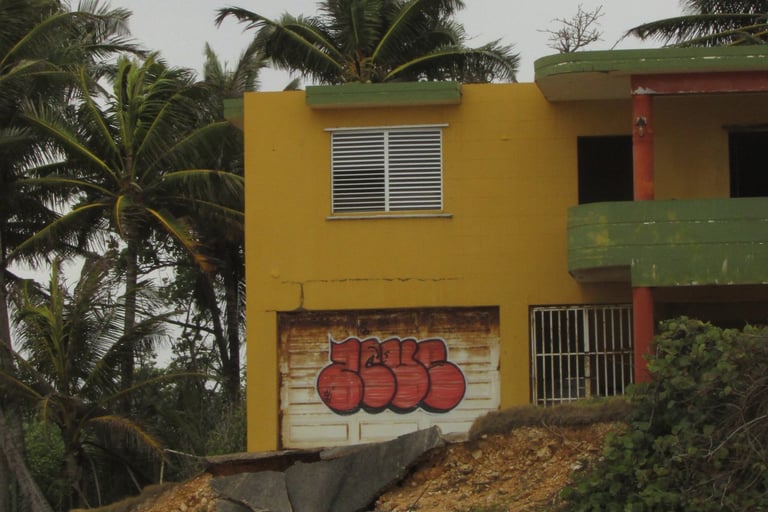
Camera Mechanics
- ISO controls the camera's sensitivity to light. A lower ISO is great for brighter light, while a higher ISO is great for low light. Some cameras have a hard time in dim lighting, and that's when you can utilize light. I encourage you to utilize light always unless the natural lighting is full and contrasts well through the camera lens. Personally, I go back and forth with 200 or 400 for my photos. I lean towards 200 for a softer film look, while 400 is sharper, considering the light traveling through the sensor. 400 always for colors.
-shutter speed: how fast the shutter on your camera opens and closes
-f number or f stop measures the size of the lens aperture. Another measure for the light traveling through the lens. A lower f number means a wider opening, more light, and blurry backgrounds. A higher f number is a smaller opening and is sharper. I personally shoot around f4.
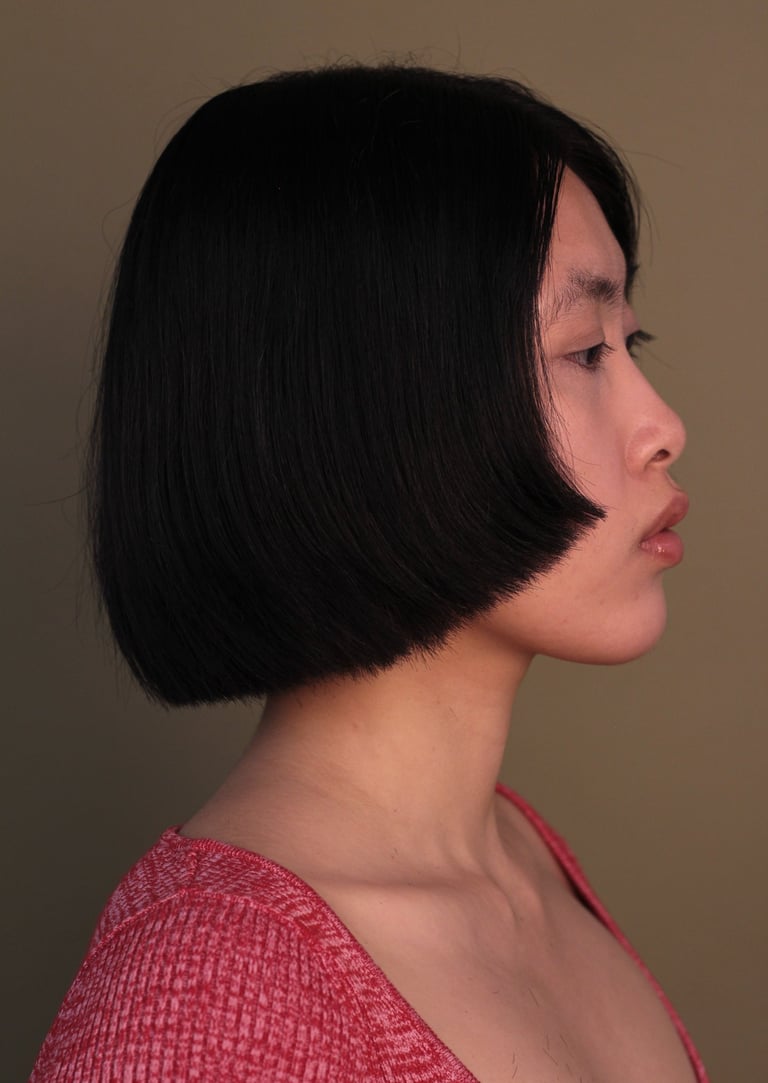
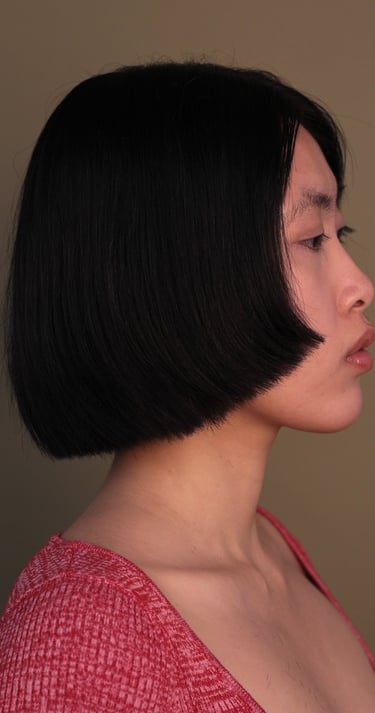
- Lens: Picking your lens is beneficial to your capacity of editing time. I personally don't have to edit my fotos. My camera sits cute with a fixed 50mm lens. It's so cinematic on its own.
-Camera vs Camera Phone. The software of camera phones is deteriorating over time. Settings are adjusted, but they aren't leaving room for a creative touch. Shot on the Pro settings for a more versatile creative outlet. I suggest downloading a photography app or even purchasing a cute little lens for your camera phone. I personally think a camera is way better film or digital. You can always get an old camera for $100, then drop another $90-100 on a lens. It's a cute little investment that will last you longer than a phone. My camera is a Canon Rebel T3i released in 2011.
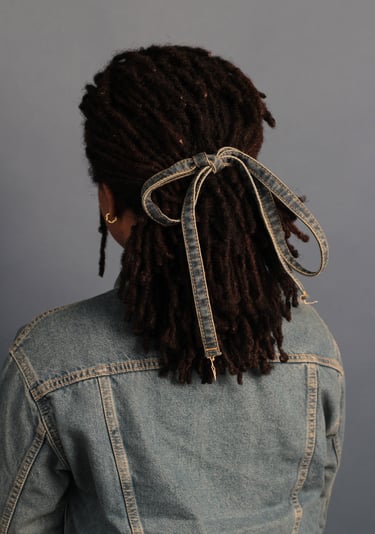
Instagram Portfolio
Individualize your online presence.